
TXAPA Magazine
RAP: Turning Yesterday’s Pavement Into Tomorrow’s Roads
Categories
By Carlee M. Ritchie, Environmental Specialist – Westward Environmental, Inc.
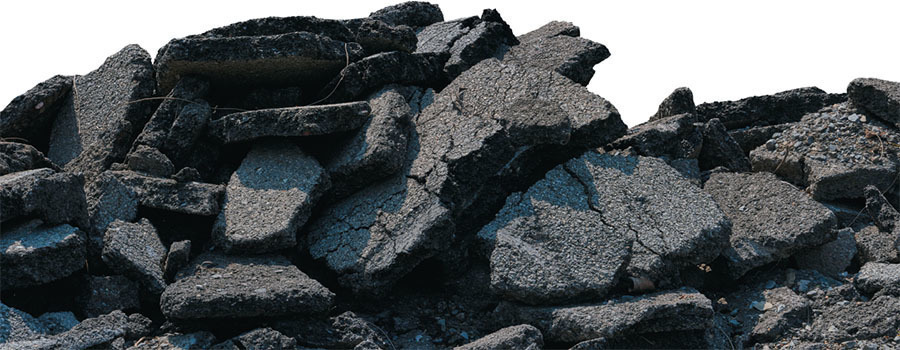
Reclaimed Asphalt Pavement (RAP) has been a proven and reliable component of the asphalt industry for decades. RAP is produced from existing asphalt pavement that has been milled or removed, then crushed, screened, and reprocessed for use in new asphalt mixtures. When properly designed and controlled, RAP offers both economic and environmental advantages over mixes produced with 100 percent virgin materials. Its use reduces demand for raw materials, lowers production costs, and supports sustainability initiatives across the industry. In recent years, state agencies have demonstrated a growing interest in increasing the percentage of RAP used in asphalt mixtures, particularly in base course applications.
The environmental benefits of RAP are substantial. In 2021 alone, the use of RAP prevented approximately 2.6 million metric tons of CO2-equivalent emissions from entering the atmosphere. That same year, an estimated 94.6 million tons of RAP were incorporated into new asphalt mixtures, offsetting the need for roughly 26 million barrels of virgin asphalt binder. RAP use has also helped preserve landfill capacity, with nearly 60 million cubic yards of landfill space conserved in 2019 by diverting reclaimed materials from disposal. The incorporation of higher percentages of RAP in asphalt mixtures positively influences a mix’s Environmental Product Declaration (EPD) by reducing reliance on virgin materials, decreasing energy consumption, and lowering the overall environmental impact of asphalt production.
Despite these advantages, industry professionals recognize the performance challenges that can accompany higher RAP contents. Mixtures containing RAP tend to be stiffer due to the presence of aged binder, which can reduce cracking resistance if not properly addressed. As a result, ongoing research and field evaluations continue to focus on mix design optimization, binder replacement strategies, rejuvenators, and improved production practices to enhance durability and long-term pavement performance.
Another commonly noted consideration with RAP-rich mixtures is pavement appearance. Higher RAP contents can result in lighter-colored pavements compared to mixtures made with all virgin materials. While this difference is primarily aesthetic and does not affect performance, future advancements in material technologies and mix design approaches may help address these visual concerns.
From a production standpoint, several well-established best practices are critical for successfully manufacturing asphalt mixtures containing RAP. Key considerations include minimizing moisture in RAP stockpiles and ensuring consistent, uniform feed rates into the asphalt plant. Excess moisture or material segregation can negatively impact plant efficiency, mix consistency, and overall pavement quality.
“IN 2021 ALONE, THE USE OF RAP PREVENTED APPROXIMATELY 2.6 MILLION METRIC TONS OF CO2-EQUIVALENT EMISSIONS FROM ENTERING THE ATMOSPHERE. THAT SAME YEAR, AN ESTIMATED 94.6 MILLION TONS OF RAP WERE INCORPORATED INTO NEW ASPHALT MIXTURES, OFFSETTING THE NEED FOR ROUGHLY 26 MILLION BARRELS OF VIRGIN ASPHALT BINDER.”
RAP feed bins and conveying systems are similar to those used for virgin aggregates; however, RAP bins are typically constructed with steeper sidewalls to reduce the potential for material bridging at the bottom of the bin. Bridging can interrupt RAP flow and cause inconsistent feeding. When fractionated RAP is used—especially when more than one RAP size is incorporated—the plant must be equipped with a corresponding number of RAP feeder bins to ensure proper proportioning.
In the United States, RAP is typically introduced into the asphalt plant downstream of the burner combustion zone. This configuration prevents the RAP from being exposed to direct flame or excessively hot exhaust gases, which can cause smoking and damage the aged binder. Many modern plants designed for higher RAP contents utilize counter-flow dryer arrangements, allowing RAP to be added after the virgin aggregate has been dried and superheated.
Plants producing mixtures with elevated RAP contents also commonly allow for longer mixing times to ensure adequate heat transfer and thorough blending of virgin aggregates, RAP, and virgin asphalt binder. When properly designed and operated, these systems enable producers to maximize RAP usage while maintaining consistent mix quality and performance.
Reclaimed Asphalt Pavement continues to play a critical role in the asphalt industry as producers balance performance requirements with economic and environmental responsibility. When properly designed, produced, and controlled, RAP offers measurable sustainability benefits while remaining a reliable component of high-quality asphalt mixtures. Although higher RAP contents present challenges related to stiffness, durability, and production controls, ongoing research and advancements in plant technologies and mix design practices continue to expand its effective use.
By focusing on sound stockpile management, consistent plant operations, and thoughtful mix design strategies, producers can successfully incorporate RAP while maintaining long-term pavement performance. As the industry moves toward increased sustainability and resource efficiency, RAP remains a proven and practical solution for building durable, cost-effective roads across Texas and beyond.